
Understanding Whole House Filter Costs: What You Need to Know
- Douglas Brewster
- Dec 22, 2025
- 5 min read

Updated: Jan 28
When it comes to ensuring clean, safe water throughout your home or business, investing in a whole house water filter is a smart move. But like any home improvement, the price tag can vary widely. I’ve spent time researching and working with water filtration experts, and I want to share what really influences whole house filter costs. Whether you’re in Port Saint Lucie, Fort Lauderdale, or anywhere in South Florida, knowing these factors will help you make an informed decision.
What Drives Whole House Filter Costs?
Whole house filter costs depend on several key elements. Think of it like buying a car: the make, model, and features all affect the price. Here’s what you should consider:
Type of Filtration System: Different filters target different contaminants. Some use activated carbon to remove chlorine and odors, while others might include UV light to kill bacteria or reverse osmosis for heavy metals. The more advanced the technology, the higher the cost.
Water Quality and Contaminants: If your water has high levels of iron, sulfur, or hard minerals, you’ll need specialized filters. These systems are more complex and pricier.
Capacity and Flow Rate: Larger homes or businesses require filters that can handle higher water volumes. Bigger systems with higher flow rates cost more upfront but ensure consistent water pressure.
Filter Lifespan and Maintenance: Some filters need frequent replacement, which adds to long-term costs. Others have longer-lasting cartridges but might be more expensive initially.
Brand and Certification: Trusted brands with certifications from organizations like NSF International often charge a premium, but you get peace of mind about performance and safety.
Understanding these factors helps you balance your budget with your water quality needs.

Breaking Down Whole House Filter Costs
Let’s get into the nitty-gritty of whole house filter costs. Prices can range from a few hundred dollars to several thousand, depending on what you choose.
Basic Carbon Filters: These are the most affordable, usually between $300 and $700. They’re great for removing chlorine and improving taste but might not handle heavy metals or bacteria.
Iron and Sulfur Filters: If your water has rust or a rotten egg smell, expect to pay $800 to $1,500. These systems often use oxidation and filtration media to tackle those issues.
Water Softener Combo Systems: Combining filtration with water softening can cost $1,000 to $3,000. This is common in South Florida, where hard water causes rust staining and scale buildup.
Advanced Multi-Stage Systems: These include UV sterilizers, reverse osmosis, and sediment filters. Prices start around $2,000 and can go up to $5,000 or more.
Installation Costs: Don’t forget labor. Professional installation typically adds $300 to $1,000 depending on complexity and location.
Keep in mind, these are ballpark figures. Your specific situation might vary.
How Much Does It Cost to Install a Whole House Water Filter?
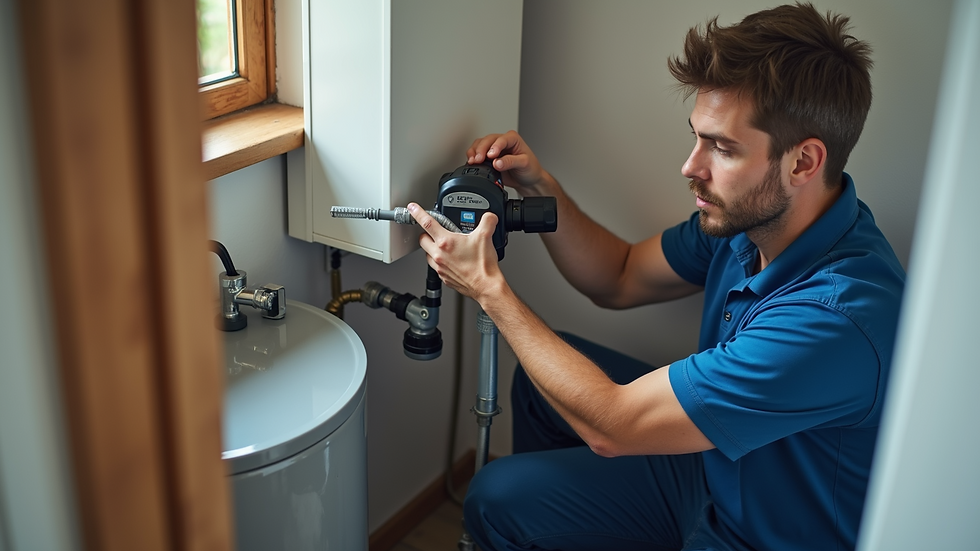
Installation is a crucial part of the total cost. It’s not just about hooking up the system; it’s about ensuring it works efficiently and safely.
Simple Installations: If your plumbing is straightforward and the filter fits standard pipes, installation might be $300 to $500.
Complex Plumbing or Retrofits: Older homes or commercial buildings may require additional plumbing work, permits, or electrical hookups. This can push installation costs to $700 or more.
Professional vs. DIY: While some handy homeowners might attempt installation themselves, I recommend hiring a licensed plumber or water treatment specialist. Mistakes can lead to leaks, poor filtration, or damage.
Location Matters: In South Florida, local codes and water conditions might require specific equipment or installation methods, which can affect price.
By budgeting for professional installation, you protect your investment and ensure your system performs as expected.
Tips to Manage and Reduce Whole House Filter Costs
Nobody wants to overspend, so here are some practical tips to keep costs reasonable without sacrificing quality:
Test Your Water First: Get a detailed water analysis. Knowing exactly what contaminants you need to remove helps avoid paying for unnecessary features.
Choose the Right System for Your Needs: Don’t buy the most expensive system if a basic carbon filter will do. Conversely, don’t skimp if your water has serious issues.
Consider Long-Term Costs: Look at filter replacement frequency and maintenance. Sometimes paying more upfront saves money over time.
Shop Around and Compare: Get quotes from multiple providers. Ask about warranties, service plans, and installation packages.
Look for Local Experts: Companies familiar with South Florida water conditions, like Perfectly Clear Water Filtration, can recommend the best solutions and avoid costly mistakes.
Plan for Future Needs: If you anticipate changes like adding a pool or expanding your business, choose a system that can scale.
By following these steps, you can find a balance between cost and performance.
Why Investing in Quality Water Filtration Pays Off
At first glance, the price of a whole house water filter might seem steep. But think of it like insurance for your plumbing and health. Clean water protects your family, your appliances, and your property.
Protect Your Pipes and Appliances: Hard water and contaminants cause rust staining and scale buildup, leading to costly repairs. A good filter extends the life of water heaters, dishwashers, and washing machines.
Improve Water Taste and Safety: Filtered water tastes better and reduces exposure to harmful chemicals and bacteria.
Save Money Over Time: Avoid buying bottled water and reduce plumbing issues.
Increase Property Value: Homes with quality water filtration systems are more attractive to buyers.
In South Florida, where water quality challenges are common, investing in a reliable system is a smart, long-term decision.
If you want to explore options and get a personalized estimate, check out this whole house water filter cost guide from Perfectly Clear Water Filtration.
Planning Your Whole House Water Filter Purchase
Before you make a decision, take these steps:
Schedule a Water Test: Many companies offer free or low-cost testing.
Consult with Experts: Discuss your water quality, budget, and goals.
Review System Options: Ask about brands, certifications, and maintenance.
Get Multiple Quotes: Compare prices and services.
Check Reviews and References: Look for trusted providers with good reputations in South Florida.
By doing your homework, you’ll feel confident in your investment and enjoy clean water for years to come.
The Long-Term Benefits of Whole House Water Filters
Investing in a whole house water filter is more than just a purchase - it’s a commitment to better water quality and peace of mind. With the right information and expert guidance, you can find a system that fits your needs and budget perfectly. Clean water is within reach, and it starts with understanding what influences whole house filter costs.
Understanding Your Water Needs
Every home and business has unique water needs. Understanding these needs is crucial. Factors like the number of occupants, water usage, and specific contaminants in your area play a significant role.
The Importance of Regular Maintenance
Once you have your system installed, regular maintenance is essential. This ensures that your filter continues to perform optimally. Schedule routine checks and replace filters as recommended. This proactive approach can save you money in the long run.
The Environmental Impact of Clean Water
Using a whole house water filter not only benefits your health but also the environment. By reducing the need for bottled water, you help decrease plastic waste. It’s a small change that can lead to significant environmental benefits.
Conclusion
In conclusion, investing in a whole house water filter is a wise decision for anyone looking to improve their water quality. With the right system, you can enjoy clean, safe, and great-tasting water. Remember, it’s not just about the initial cost; it’s about the long-term benefits for your health, home, and the environment.


Comments