
Benefits of Installing Well Water Filtration Systems
- Douglas Brewster
- Dec 29, 2025
- 4 min read

When it comes to water quality, especially in South Florida, having clean and safe water is not just a luxury - it’s a necessity. Whether you live in Port Saint Lucie, Fort Lauderdale, or anywhere in between, the water coming from your well can sometimes carry impurities that affect taste, safety, and even your plumbing. That’s where well water filtration systems come into play. I’ve seen firsthand how these systems transform water quality, making a noticeable difference in daily life.
Let’s dive into why installing a well water filtration system is a smart move for your home, business, or industrial site.
Why Well Water Filtration Matters in South Florida
South Florida’s unique geography and climate mean that well water can contain a variety of contaminants. From naturally occurring minerals like iron and manganese to bacteria and sediment, these impurities can cause problems ranging from unpleasant taste and odor to health risks and damage to appliances.
For example, iron in well water often leads to rust stains on sinks, tubs, and laundry. This is a common complaint among homeowners here. Without proper filtration, these stains can become stubborn and costly to remove. Plus, hard water minerals can shorten the lifespan of water heaters and dishwashers.
Installing a well water filtration system helps remove these unwanted elements, ensuring your water is not only safe but also tastes fresh and clean. It’s like giving your water a makeover - from murky and rusty to crystal clear and refreshing.
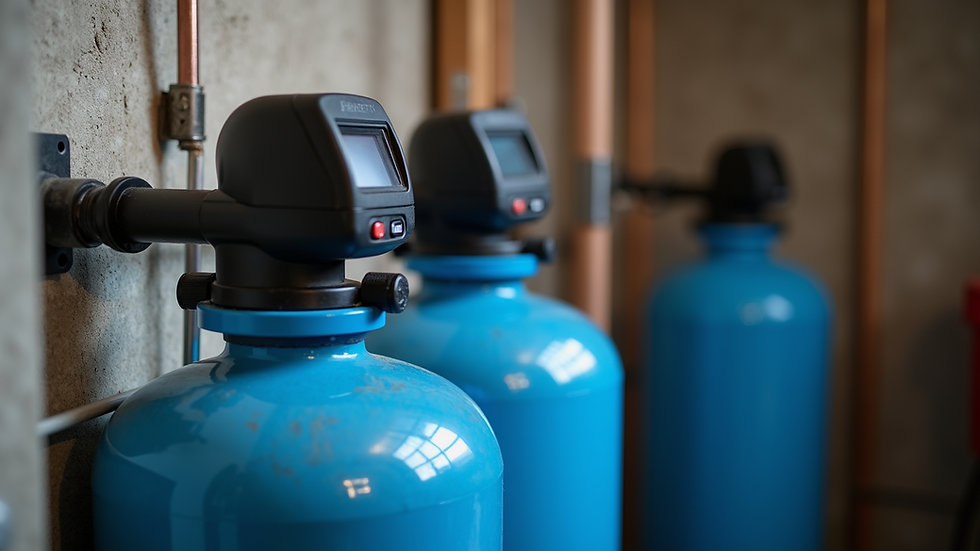
How Well Water Filtration Improves Health and Safety
Water from wells can sometimes harbor bacteria, viruses, and other microorganisms that pose health risks. While municipal water supplies are treated and monitored regularly, private wells rely on the owner to ensure water safety.
A good filtration system can remove harmful pathogens and reduce contaminants like nitrates, pesticides, and heavy metals. This is especially important for families with young children, elderly members, or anyone with a weakened immune system.
Beyond health, filtration also improves water clarity and taste. No more worrying about cloudy water or strange odors when you fill a glass or cook a meal. Clean water supports better hydration and overall well-being.
What is the Best Type of Filtration System for Well Water?
Choosing the right filtration system depends on the specific contaminants in your well water. The first step is to get your water tested by a certified lab. This will identify what needs to be filtered out.
Here are some common types of filtration systems used for well water:
Sediment Filters - These remove sand, dirt, and rust particles. They protect your plumbing and appliances from clogging and damage.
Activated Carbon Filters - Great for removing chlorine, bad tastes, odors, and some chemicals.
Iron Filters - Specifically designed to eliminate iron and manganese, preventing rust stains.
UV Purifiers - Use ultraviolet light to kill bacteria and viruses without chemicals.
Reverse Osmosis Systems - Provide thorough filtration by pushing water through a semi-permeable membrane, removing a wide range of contaminants.
Often, a combination of these systems is the best approach. For example, a sediment filter followed by an iron filter and then a UV purifier can cover multiple bases. Consulting with a water treatment professional can help you design a system tailored to your needs.
Saving Money and Protecting Your Property with Filtration
Investing in a well water filtration system can save you money in the long run. Here’s how:
Reduced Appliance Wear and Tear: Hard water minerals and sediment can cause buildup inside water heaters, washing machines, and dishwashers. Filtration extends their lifespan and reduces repair costs.
Lower Maintenance Costs: Rust stains on plumbing fixtures and laundry can be expensive to clean or replace. Filtering out iron and manganese prevents these stains.
Energy Efficiency: Clean water heats more efficiently, lowering your energy bills.
Avoid Health-Related Expenses: Preventing waterborne illnesses reduces medical visits and treatments.
Think of a filtration system as a shield protecting your home and wallet from hidden water problems.

Environmental Benefits of Using Well Water Filtration
Using well water is already a sustainable choice compared to relying solely on municipal water supplies. Adding a filtration system enhances this by reducing the need for bottled water and minimizing plastic waste.
Filtered well water encourages more people to drink tap water confidently, cutting down on single-use plastic bottles. Plus, by maintaining your plumbing and appliances, you reduce the frequency of replacements and waste.
In South Florida, where water conservation is critical, well water filtration supports responsible water use and environmental stewardship.
Taking the Next Step: Installing Your Well Water Filtration System
If you’re ready to improve your water quality, here are some practical steps:
Test Your Water: Start with a comprehensive water test to identify contaminants.
Research Filtration Options: Learn about different systems and what suits your water profile.
Consult Professionals: Reach out to trusted providers like Perfectly Clear Water Filtration who specialize in South Florida water solutions.
Schedule Installation: Professional installation ensures your system works efficiently and lasts longer.
Maintain Regularly: Follow maintenance schedules to keep your filtration system in top shape.
By taking these steps, you’re investing in peace of mind and better water quality for years to come.
Water is life, and having clean, safe water should never be a question. Installing a well water filtration system is a straightforward way to protect your health, your home, and the environment. Whether you’re dealing with rust stains, hard water, or just want better tasting water, filtration is the answer.
Explore your options today and enjoy the benefits of perfectly clear water every day.


Comments