
Understanding and Resolving Water Quality Issues

Water is life. We drink it, cook with it, and use it to keep our homes clean. But what happens when the water flowing from your tap isn’t as pure as it should be? Water quality can vary widely, and sometimes it carries hidden problems that affect health, taste, and even your plumbing. Today, I want to walk you through understanding these challenges and share practical solutions that can make a real difference.
Why Water Quality Matters and What You Can Do About It
Water quality is more than just a buzzword. It’s about ensuring the water you use every day is safe, clean, and free from harmful contaminants. In South Florida, from Port Saint Lucie to Fort Lauderdale, water sources can be affected by natural minerals, industrial runoff, and aging infrastructure. These factors can introduce impurities that cause everything from unpleasant tastes to serious health risks.
The good news? There are effective ways to tackle these problems. Whether you’re a homeowner, a business owner, or managing an industrial facility, understanding your water’s condition is the first step. Testing your water regularly can reveal issues like high levels of iron, chlorine, or bacteria. Once you know what you’re dealing with, you can choose the right filtration or treatment system.
Some common solutions include:
Activated carbon filters to remove chlorine and organic compounds.
Water softeners to reduce hardness caused by calcium and magnesium.
Reverse osmosis systems for thorough purification.
UV sterilizers to kill bacteria and viruses.
Each option has its strengths, and sometimes a combination works best. The key is matching the solution to your specific water quality needs.

Practical Solutions for Water Quality in Your Home or Business
When it comes to fixing water problems, one size does not fit all. The right solution depends on the source and type of contamination. For example, if your water has a metallic taste or leaves rust stains on fixtures, iron and manganese might be the culprits. In this case, an iron removal filter can be a game-changer.
For those dealing with hard water, which causes scale buildup and dry skin, a water softener is often the best bet. It swaps out calcium and magnesium ions for sodium or potassium, making water gentler on pipes and skin.
Businesses and industrial clients often face more complex challenges. They might need systems that handle large volumes or remove specific industrial contaminants. Customized filtration setups, regular maintenance, and monitoring are essential to keep operations running smoothly.
Here are some tips to keep in mind:
Get your water tested by a certified lab to identify contaminants.
Choose a filtration system certified by reputable organizations like NSF International.
Schedule regular maintenance to ensure filters and systems work efficiently.
Consider whole-house filtration for comprehensive protection.
Stay informed about local water quality reports to anticipate seasonal changes.
By taking these steps, you can protect your property and health while enjoying fresh, clean water every day.

What are the symptoms of contaminated water?
Recognizing the signs of contaminated water is crucial. Sometimes, the problems are obvious, but other times they’re subtle. Here are some common symptoms to watch for:
Unpleasant taste or odor: A metallic, sulfur, or chlorine smell can indicate contamination.
Discoloration: Brown, yellow, or reddish water often points to rust or sediment.
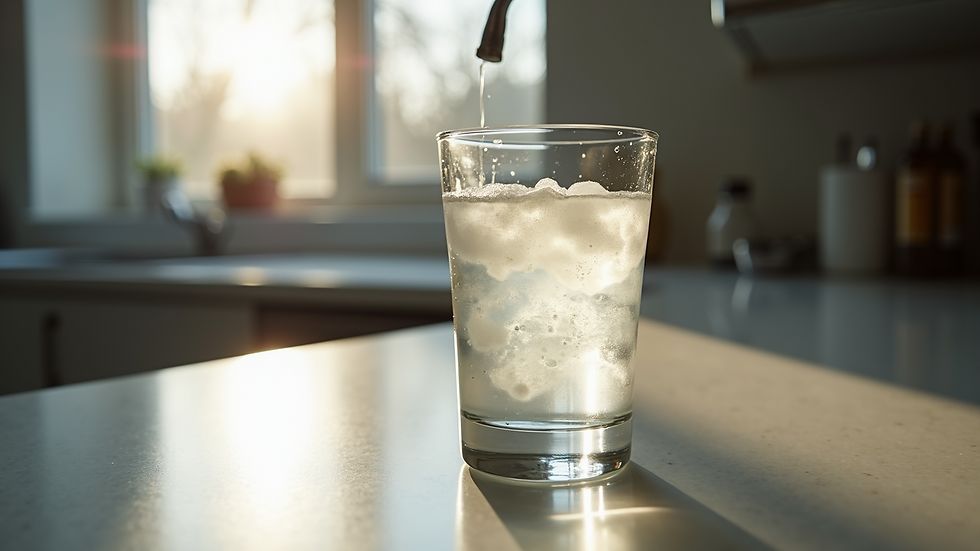
Cloudiness or particles: Suspended solids can mean sediment or microbial presence.
Staining: Rust-colored stains on sinks, toilets, or laundry suggest iron or manganese.
Skin irritation: Hard water or chemical contaminants can cause dryness or rashes.
Plumbing issues: Scale buildup can clog pipes and reduce water flow.
If you notice any of these signs, it’s time to test your water and consider treatment options. Ignoring these symptoms can lead to bigger problems down the line, including health risks and costly repairs.
How to Choose the Right Water Filtration System
With so many options on the market, picking the right water filtration system can feel overwhelming. Here’s a simple guide to help you make an informed choice:
Identify your water issues: Use test results to pinpoint contaminants.
Match the system to your needs: For example, reverse osmosis is great for removing a wide range of impurities but may waste water. Activated carbon filters improve taste and remove chlorine.
Consider capacity and flow rate: Make sure the system can handle your household or business water usage.
Check certifications: Look for products tested and certified by independent bodies.
Think about maintenance: Some systems require frequent filter changes; others are low-maintenance.
Budget wisely: Balance upfront costs with long-term savings and benefits.
Remember, professional installation and regular servicing can extend the life of your system and keep your water quality high.
Staying Ahead of Water Quality Challenges in South Florida
Living in South Florida means dealing with unique water challenges. The region’s geology, climate, and urban development all influence water quality. Saltwater intrusion, heavy rainfall, and industrial activities can introduce contaminants that affect your water supply.
To stay ahead, it’s important to:
Stay informed about local water quality reports issued by municipal authorities.
Invest in reliable water filtration solutions tailored to regional conditions.
Schedule regular water testing to catch issues early.
Educate yourself about potential contaminants common in South Florida.
Work with trusted local experts who understand the area’s water challenges.
By taking these proactive steps, you can enjoy peace of mind knowing your water is safe, clean, and tastes great.
If you want to learn more about how to address water quality issues effectively, there are plenty of resources and professionals ready to help.
Water is essential, and ensuring its quality is a responsibility we all share. With the right knowledge and tools, you can protect your home, business, and health from the hidden dangers lurking in your water supply. Clean, safe water is not just a luxury - it’s a necessity, and it’s within your reach.


Comments